
Trekking Gear List for Pakistan — K2 Base Camp, Karakoram & High-Altitude Treks
This is the complete trekking gear list for Pakistan's Karakoram — everything you need for K2 Base Camp, the Gondogoro La, Snow Lake, and the high treks of Gilgit-Baltistan. It is the same list our Balti guides check before every departure. Pack well and the mountains are a joy; pack badly and a great trek turns hard. Use it as a working checklist, and talk to us if you are unsure about any item for your specific route.
Why the Right Gear Matters in the Karakoram
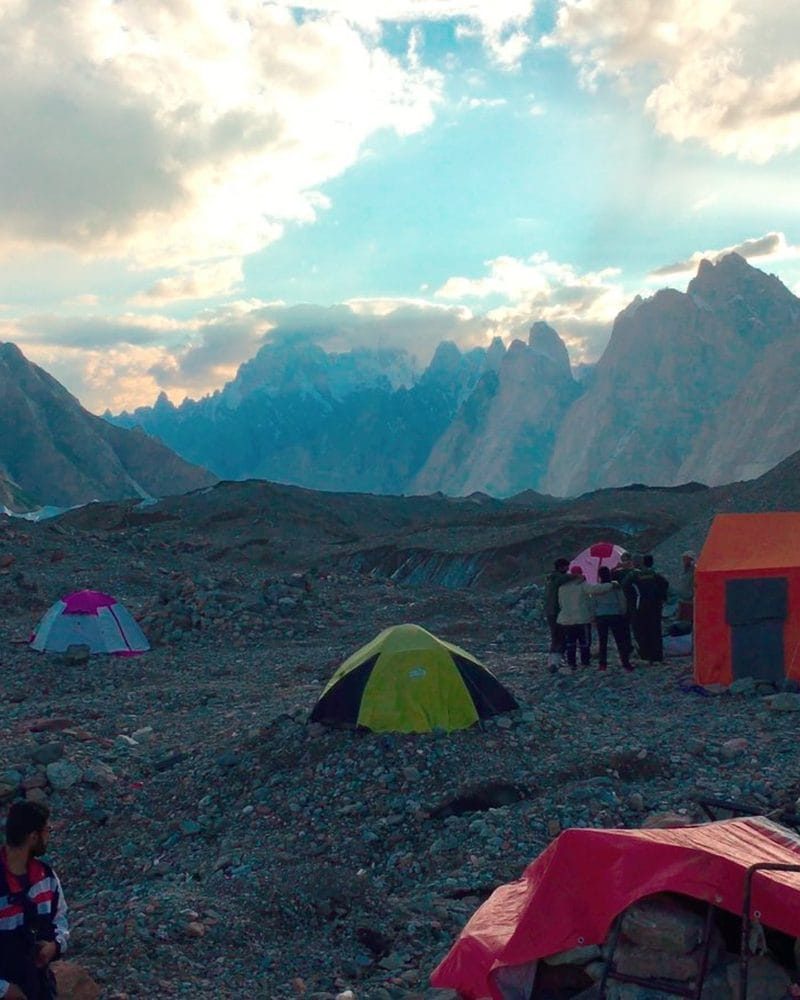
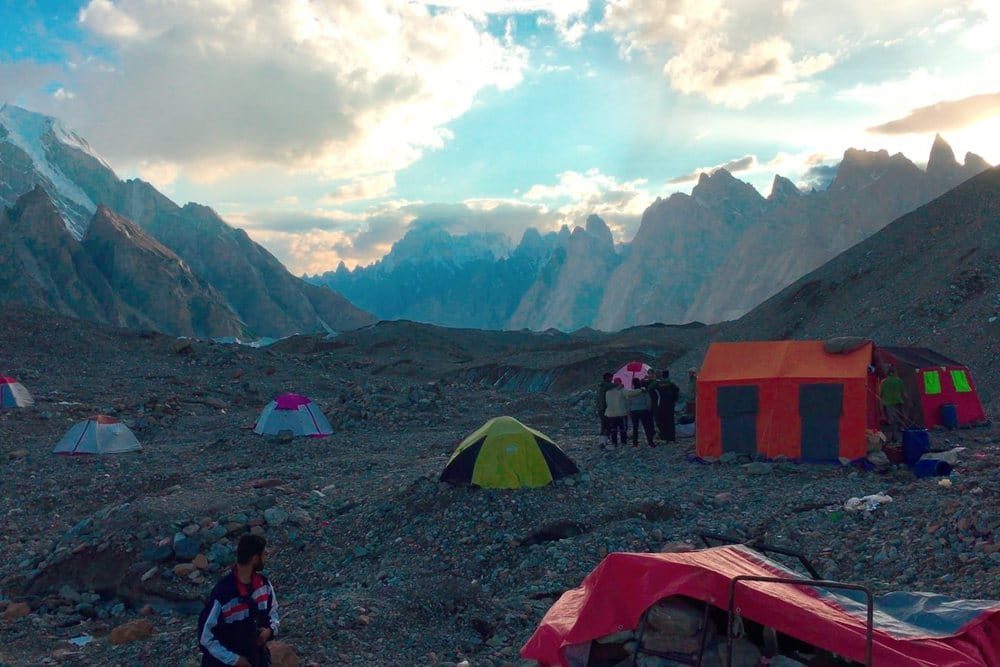
The Karakoram is high, remote and committing. On a trek like K2 Base Camp you can face +40°C in the Braldu gorge at the start and −10°C at Broad Peak Base Camp days later. There are no shops past Askole and no quick way out if you are cold, wet or injured. Your kit is your comfort, your safety margin and, on the high passes, part of your life-support system. Bring quality, broken-in equipment — this is not the place for a brand-new pair of boots or a bargain sleeping bag.
How to Pack
Your Daypack and Your Duffel
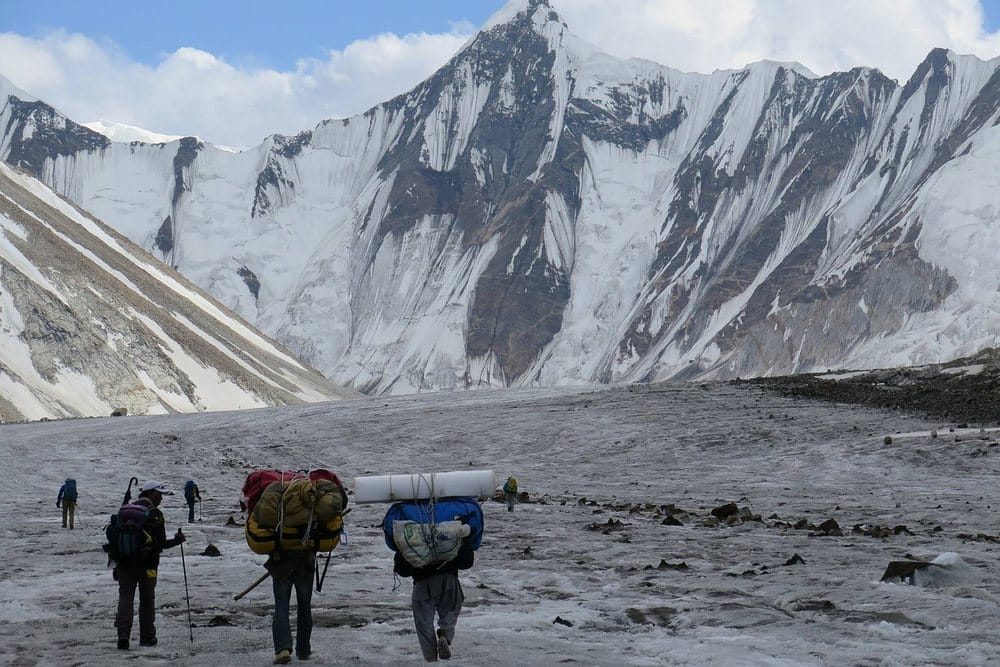
On every trek your gear splits into two bags. A porter carries your main duffel (a rugged, waterproof 100–120 litre kit bag, weight limit around 20 kg) between camps. You carry a 35–45 litre daypack yourself (limit around 5 kg) with the things you need during the day: warm layers, waterproofs, water, snacks, sun protection, camera and a personal first-aid kit. Pack so you never have to dig into the duffel on the trail — you will not see it again until camp.
The Complete Karakoram Trekking Gear List
The list below covers our high-altitude treks and expeditions. Not every item applies to every trip — a gentle valley trek needs far less than the Gondogoro La crossing. Items marked as technical gear are only required on routes that cross a snow pass on fixed rope. When in doubt, ask your trek leader.
Sub Heading
Footwear
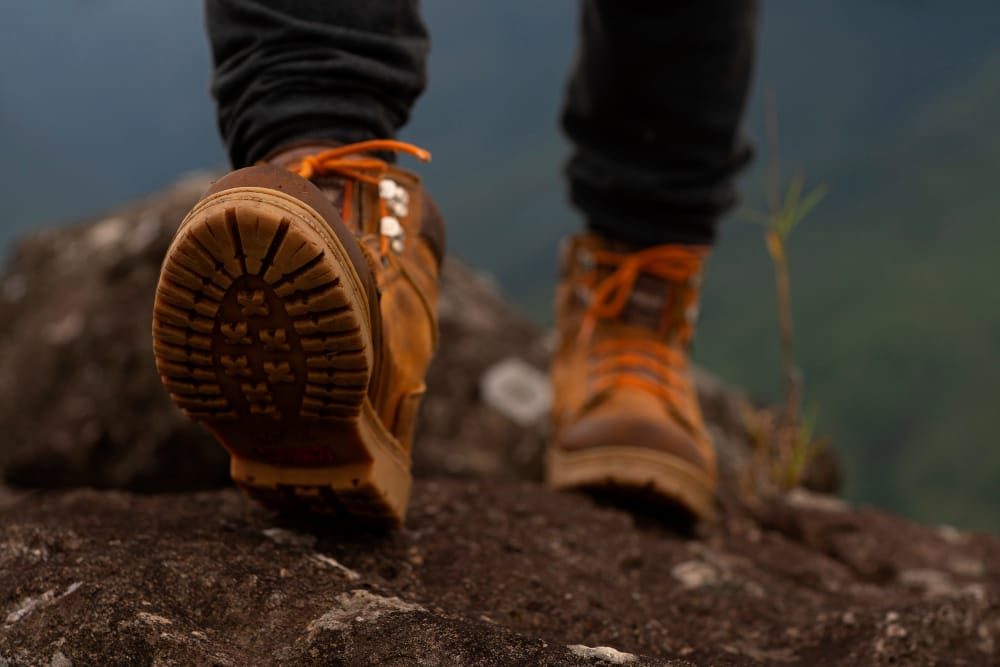
- Sturdy, broken-in waterproof trekking boots with good ankle support — the single most important item
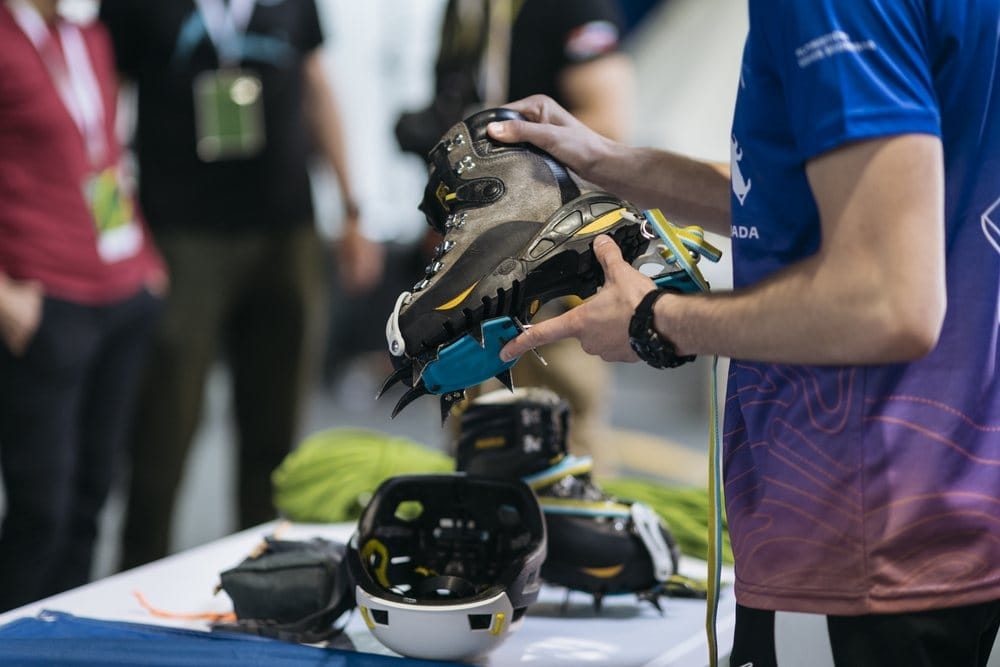
- B2-rated mountaineering boots — only for treks that cross a technical snow pass such as the Gondogoro La
- Trekking socks (3–4 pairs) plus thicker mountaineering socks for the cold, high days
- Camp shoes or lightweight trainers to rest your feet in camp
- Down booties for warmth in the high, cold camps
- Knee-high gaiters to keep snow and scree out of your boots
Sub Heading
Clothing and Layering
- Base layers — 2 sets of moisture-wicking top and bottom (merino or synthetic, never cotton)
- Fleece or soft-shell mid layers for insulation
- Insulated down jacket for cold mornings, high camps and the pass
- Waterproof, breathable shell jacket and over-trousers
- Trekking trousers (2 pairs) and a pair of shorts for the hot lower valleys
- Warm trekking shirts and a long-sleeved sun shirt
- Underwear and a sports/sun buff for neck protection
Head, Hands and Eyes
- Warm hat or beanie that covers the ears
- Wide-brimmed sun hat or cap — the high-altitude sun is fierce
- Liner gloves plus warm insulated gloves (mountaineering gloves on technical routes)
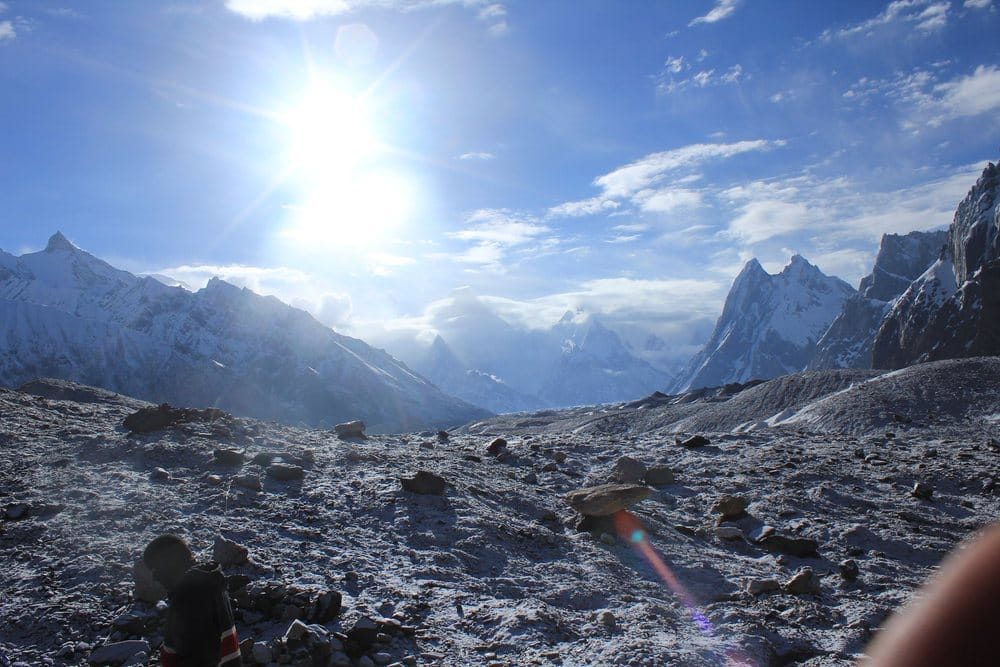
- Glacier sunglasses with side protection (UV400) — essential on snow and ice
- A spare pair of sunglasses or clip-ons
- Head torch with spare batteries for pre-dawn pass starts and camp
Sub Heading
Sleeping and Camp Comfort
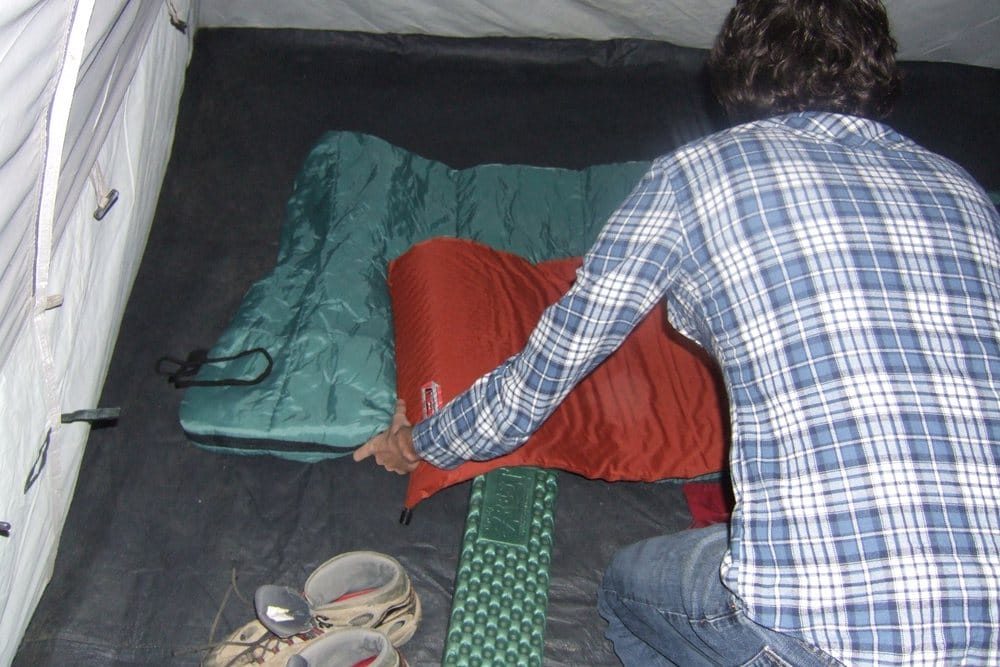
- 4-season sleeping bag rated to around −15°C for the high camps
- Inflatable or foam sleeping mat for insulation from the cold ground
- A silk or fleece sleeping-bag liner adds warmth and keeps the bag clean
- A small pillow or stuff sack to pad one
- Ear plugs and an eye mask for better rest at altitude
Sub Heading
Trekking and Glacier Equipment
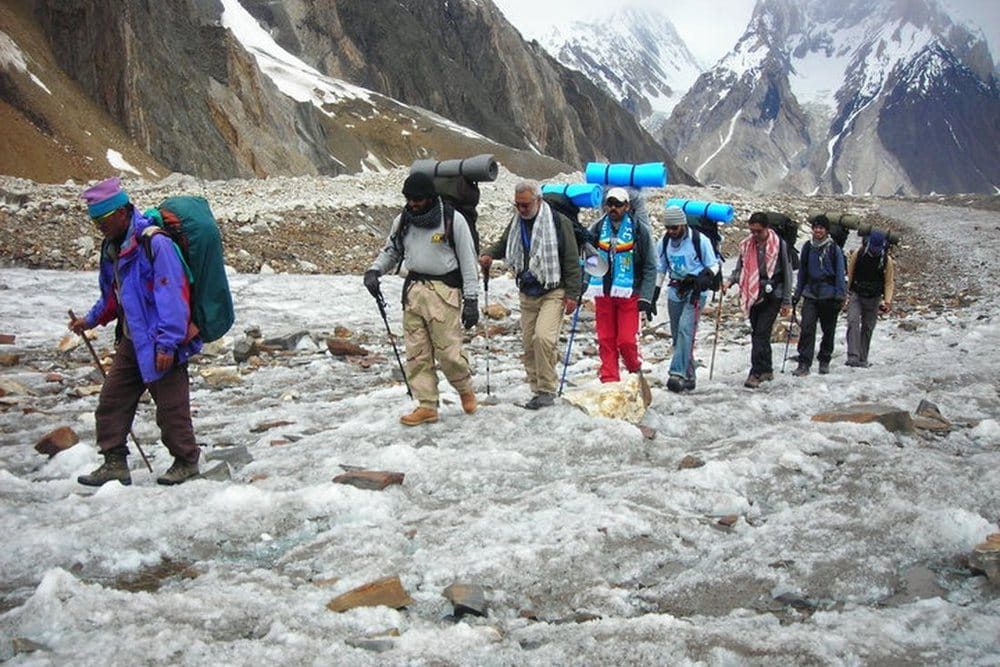
- Two adjustable trekking poles — vital for steep descents, moraine and river crossings
- 35–45 litre daypack with a rain cover
- 100–120 litre waterproof duffel/kit bag for the porter (with a small padlock)
- Two 1-litre water bottles and/or a hydration bladder
- Water purification — tablets, drops or a filter
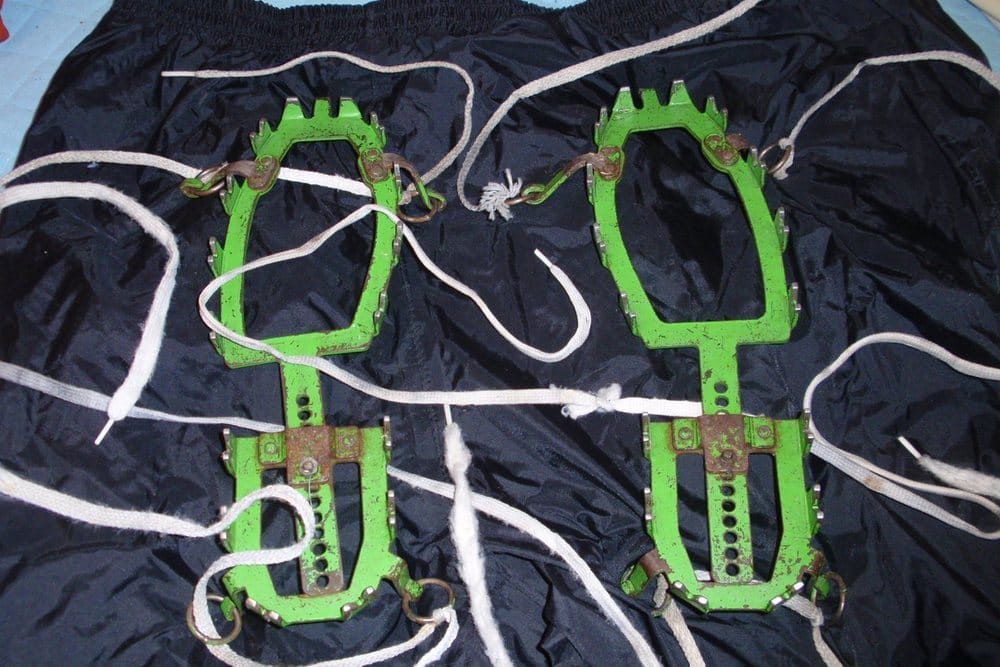
- Microspikes for icy and snow-patched sections
- A dry bag or two to keep electronics and spare clothes dry
Sub Heading
Technical Gear for High Passes (Gondogoro La, Hispar La, Thalay La)
- Climbing harness
- Two 60 cm slings and four screw-gate carabiners
- Belay/abseil device plus around 3 m of 5 mm accessory cord
- Mountaineering crampons compatible with your B2 boots
- Ice axe
- A helmet is recommended for rockfall-prone descents
Sub Heading
Personal First-Aid and Medicines
- Any personal prescription medicines, in your carry-on with a copy of the prescription
- Blister care (Compeed) and zinc-oxide tape
- Oral rehydration salts and electrolyte tablets
- Paracetamol, ibuprofen and any personal painkillers
- Acetazolamide (Diamox) for acclimatisation — only on a doctor's advice
- High-SPF sunscreen and SPF lip balm — non-negotiable at altitude
- Hand sanitiser and personal wet wipes
Sub Heading
Toiletries and Washing
- Quick-dry travel towel
- Toothbrush, toothpaste and biodegradable soap
- Travel-size shampoo for town stops
- Toilet roll (we provide it on trek, but carry a personal spare)
- Any personal items — contact-lens supplies, etc.
Sub Heading
Documents, Money and Electronics
- Passport (valid 6+ months) plus photocopies and passport photos
- Pakistan visa and any trekking permit paperwork we provide
- Travel and high-altitude rescue insurance documents — mandatory, bring written proof
- Cash in USD, EUR or GBP — there are no ATMs on trek
- Phone, camera and spare memory cards
- Power bank or small solar charger — there is no mains power on trek
- Universal travel adapter for town stops
Book With us
Plan Your Trek with a Local Team
Got your kit sorted? Now choose your mountain. Browse our treks and expeditions, from the flagship K2 Base Camp & Gondogoro La Trek to gentler valley walks, or contact us and we will help you pick the right route and confirm exactly what to pack. Local hands, real safety, fair price.
- info@karakoramventure.com
- +92 3129921574
Shukria — it's with our team.
Our Skardu team answers within 4 hours in office hours (Mon–Sat, Pakistan time). Need it faster? WhatsApp us.
That didn't go through.
Check the fields marked * and try again — or WhatsApp us and we'll take it from there.
We Answer
Frequently Asked Questions
Do I need mountaineering boots?
For the classic out-and-back K2 Base Camp trek, sturdy waterproof trekking boots are enough. You only need B2-rated mountaineering boots if your itinerary crosses the Gondogoro La or another technical snow pass, where crampons are required.
How heavy can my bags be?
Your porter-carried duffel is limited to around 20 kg, and your own daypack to about 5 kg. Pack within these limits — anything heavier slows the team and may incur extra porter charges.
Can I rent gear in Pakistan?
Yes — down jackets, sleeping bags, trekking poles and crampons can usually be rented or bought in Islamabad and Skardu. Let us know ahead of time and we will sort it out in Skardu. Bring boots, base layers and waterproofs from home for proper fit.
What sleeping bag do I need?
For the high camps on expeditions like K2 Base Camp, a 4-season bag rated to about −15°C is right. Lower-altitude valley and blossom tours can use a lighter 3-season bag. A liner adds a few degrees of warmth.
Do I need a down jacket?
Yes. Even in July and August, mornings, high camps and the passes are cold, and the temperature drops sharply once the sun goes behind the peaks. A packable down jacket is one of the most useful items you will carry.
Do I need trekking poles?
Yes — two poles are strongly recommended on every trek. They save your knees on long descents, give balance on loose moraine and during river crossings, and help on snow. They are inexpensive and easy to rent in Skardu if you do not own a pair.
Can I charge devices on trek?
There is no mains power once you leave Skardu, so bring a power bank or a small solar charger. Keep batteries warm in your sleeping bag at night, as the cold drains them quickly at altitude.