
Trekking Medicine & Altitude Guide for Pakistan
This is your guide to staying healthy on a Karakoram trek: what medicines to carry, how to recognise and manage altitude sickness, and how we keep you safe high in the mountains. Use it alongside our Pakistan trekking gear list and our maps, books & visa resources. This page is general guidance only — always consult a travel-medicine doctor before you travel.
Why Mountain Health Matters
On a high trek like K2 Base Camp you spend days above 4,000 m, far from any hospital, where small problems grow fast in the cold and thin air. A blister, a stomach bug or an unnoticed headache can end a trip — or worse. Good preparation, honest self-monitoring and a well-stocked personal kit keep you walking and keep you safe.
How to Pack
Before You Travel: See a Travel Doctor
Book a travel-medicine appointment well before you fly. Discuss altitude medication, routine vaccinations, and any personal conditions or allergies. Carry enough of your regular prescription medicines for the whole trip plus a few spare days, in your carry-on, with a copy of the prescription. Nothing on this page replaces a doctor's advice.
The Karakoram Trek Medicine List
The categories below cover a personal medical kit for our treks and expeditions. We carry a comprehensive group kit and a portable altitude chamber too — you bring your own personal items and any prescriptions. When in doubt, ask your trek leader or your doctor.

Sub Heading
Altitude Medicines
- Acetazolamide (Diamox) to aid acclimatisation — only on a doctor's advice
- Know the plan: gradual ascent, hydration and the built-in rest days
- Dexamethasone and Nifedipine are emergency drugs your guide carries — not for self-prescribing
- Ibuprofen also helps with mild altitude headache
- Never ascend with worsening symptoms
Sub Heading
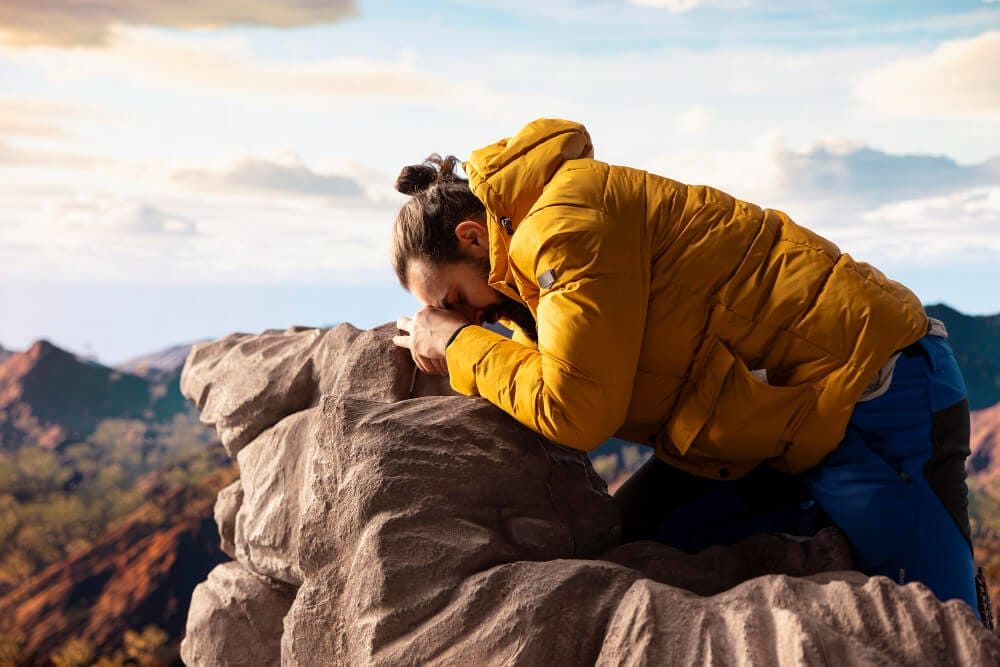
Spotting Altitude Sickness (AMS)
- Mild AMS: headache, nausea, poor sleep, loss of appetite
- Worsening headache, vomiting and dizziness mean descend
- HACE — confusion and loss of balance — is an emergency
- HAPE — breathlessness at rest and a wet cough — is an emergency
- Tell your guide early; the only sure cure is to go down
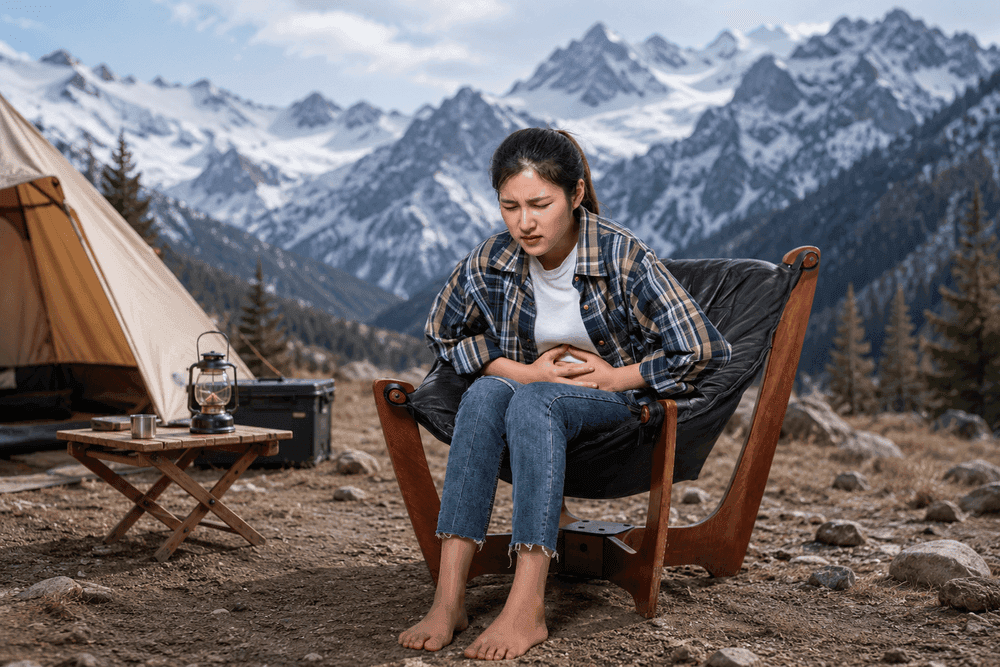
Stomach & Gut
- Oral rehydration salts (Dioralyte)
- Loperamide (Imodium) for diarrhoea
- A doctor-prescribed antibiotic for gut infections
- Anti-nausea tablets
- Hand sanitiser — most stomach bugs are avoidable
Sub Heading
Pain, Fever & Inflammation
- Paracetamol
- Ibuprofen (also eases swelling and altitude headache)
- Aspirin
- Any personal painkillers
- A digital thermometer is useful
Sub Heading
Cough, Cold & Throat
- The dry, cold, dusty air gives many trekkers a hacking 'Karakoram cough'
- Throat lozenges and cough pastilles
- A decongestant
- A buff or scarf over the mouth helps
- Stay well hydrated
Sub Heading
Wounds, Blisters & Skin
- Blister care — Compeed patches and zinc-oxide tape (prevention beats cure)
- Tape your hot-spots before they blister
- Antiseptic wipes, antiseptic cream and a range of plasters
- Moisturiser for wind-cracked skin
- A small roll of tape and scissors
Sub Heading
Sun, Eyes & Lips
- High-SPF sunscreen (50+) — the high-altitude sun is fierce
- SPF lip balm
- Glacier sunglasses to prevent snow blindness
- Rehydrating eye drops for dry, dusty air
- Reapply sunscreen often, even when cloudy

Sub Heading
Your Personal Prescriptions
- Bring all regular medicines in your carry-on with a copy of the prescription
- Enough for the whole trip plus a few spare days
- Tell your guide of any condition or allergy
- Diamox is a sulfa drug — check for allergy first
- Keep medicines warm and dry at altitude
Sub Heading
What Karakoram Venture Carries
- A comprehensive group first-aid and medical kit
- A portable altitude chamber (PAC/Gamow bag) on high expeditions
- Guides trained in remote first aid
- A satellite phone to coordinate evacuation
- Established helicopter-rescue contacts (billed to your insurance)
Book With us
Plan Your Trek with a Local Team
Ready to plan? Browse our treks and expeditions, check your kit against our gear list, and read up on visas, permits and the best season. Local hands, real safety, fair price — WhatsApp us on +92 312 9921574.
- info@karakoramventure.com
- +92 3129921574
Shukria — it's with our team.
Our Skardu team answers within 4 hours in office hours (Mon–Sat, Pakistan time). Need it faster? WhatsApp us.
That didn't go through.
Check the fields marked * and try again — or WhatsApp us and we'll take it from there.
We Answer
Frequently Asked Questions
Do I need Diamox?
Acetazolamide (Diamox) can help your body acclimatise and many trekkers use it on high routes. It is a prescription drug and a sulfa drug, so discuss it — and check for allergy — with a travel doctor before you travel. It is an aid, not a substitute for gradual ascent.
How do I avoid altitude sickness?
Ascend gradually, take the built-in acclimatisation and rest days, drink plenty of water, avoid alcohol, and never push higher with worsening symptoms. Our itineraries are paced for safe acclimatisation, and our guides monitor everyone daily.
Is the water safe to drink?
We treat all drinking and cooking water on trek, and meals are prepared hygienically. You should still carry your own purification (tablets, drops or a filter) for the water you draw during the day, and use hand sanitiser before eating.
What happens in a medical emergency?
Your guide is trained in remote first aid and carries a comprehensive medical kit, a portable altitude chamber on high trips, and a satellite phone to coordinate help. Serious cases are evacuated by helicopter through our established contacts — billed to your insurance, which is mandatory.
Do you carry oxygen or a Gamow bag?
On high expeditions we carry a portable altitude chamber (PAC/Gamow bag), which simulates a lower altitude and can stabilise a casualty while evacuation is arranged. The fastest, surest treatment for serious altitude illness, though, is always to descend.
Do I need vaccinations for Pakistan?
Routine vaccinations should be up to date, and a travel doctor may recommend others depending on your trip and history. Get this advice early — some vaccines need more than one dose over several weeks.